

The rising interest in “sports card shows in north carolina” reflects a strong and expanding collectibles ecosystem within the state. Over recent years, North Carolina has become a consistent hotspot for trading card events, attracting collectors, investors, and hobby enthusiasts who actively participate in buying, selling, and trading sports cards in structured community environments.
From a statistical viewpoint, the frequency and attendance of sports card shows in North Carolina have shown steady growth. Events are regularly hosted across major cities such as Charlotte, Raleigh, Greensboro, Durham, and Winston-Salem. These shows range from small local gatherings to large-scale conventions featuring extensive vendor participation and high visitor turnout.
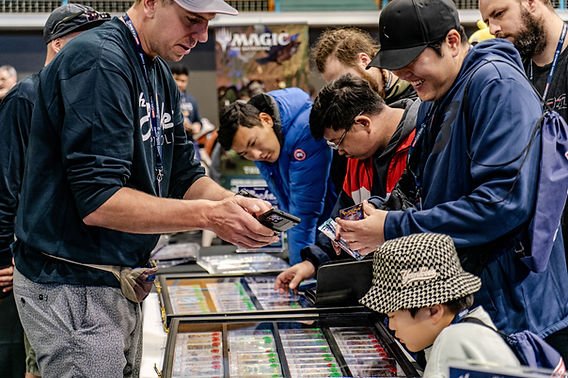
A commonly asked question is what defines a sports card show in North Carolina. These events are organized marketplaces where vendors and collectors meet in person to trade sports cards, memorabilia, and related collectibles. The environment is designed to support direct interaction, allowing attendees to evaluate card condition, authenticity, and value in real time before making purchasing decisions.
Another frequently asked question is how often these shows take place. Data from regional hobby schedules indicates that North Carolina hosts sports card events on a recurring basis throughout the year. Some cities hold monthly shows, while others host larger seasonal events that attract collectors from surrounding states. This regular scheduling ensures consistent engagement within the collector community.
Collectors also often ask what types of cards are commonly found at these events. Sports card shows in North Carolina typically feature baseball, basketball, football, and hockey cards as the primary categories. In recent years, there has been a noticeable increase in interest in modern rookie cards, graded collectibles, and trading card games, reflecting broader diversification within the hobby market.
A key statistical trend observed in these events is the strong demand for graded cards. Professionally graded items often receive higher attention due to their certified condition and authenticity. This has influenced pricing behavior at shows, where condition-based valuation plays a significant role in negotiations between buyers and sellers.
Another common question involves why collectors prefer attending physical card shows instead of relying solely on online platforms. Market behavior analysis shows that in-person evaluation provides a level of confidence that digital listings cannot fully replicate. Collectors are able to closely inspect surface quality, edges, centering, and overall condition, which is especially important for high-value or rare items.
Accessibility is another important factor contributing to the growth of sports card shows in North Carolina. Events are usually hosted in convenient venues such as convention centers, hotels, community halls, and sports facilities. Entry is typically affordable, which encourages higher attendance and supports a diverse range of participants from casual hobbyists to serious collectors.
Another frequently asked question is what the overall experience at these shows looks like. Most events feature organized vendor tables, dedicated trading areas, and sometimes live appraisal sessions. Larger shows may also include early access hours for premium collectors, creating a structured flow that enhances the overall visitor experience.
From a community perspective, sports card shows in North Carolina play an important role in connecting collectors. These events provide opportunities to build relationships with vendors and fellow enthusiasts, leading to long-term networking benefits. Many collectors use these interactions to stay informed about pricing trends, upcoming releases, and rare item availability.
The economic impact of these shows is also notable. The consistent schedule of events contributes to a stable local collectibles market, with increasing participation from both in-state and out-of-state attendees. This cross-regional engagement helps strengthen North Carolina’s position within the broader sports card industry.
In conclusion, the growing interest in sports card shows in North Carolina reflects a healthy and evolving collectibles market. These events offer structured environments for trading, strong opportunities for networking, and valuable in-person evaluation experiences. With increasing attendance, diversified collectibles, and regular scheduling across multiple cities, North Carolina continues to emerge as a significant hub for sports card enthusiasts and the broader hobby community.